.jpeg)
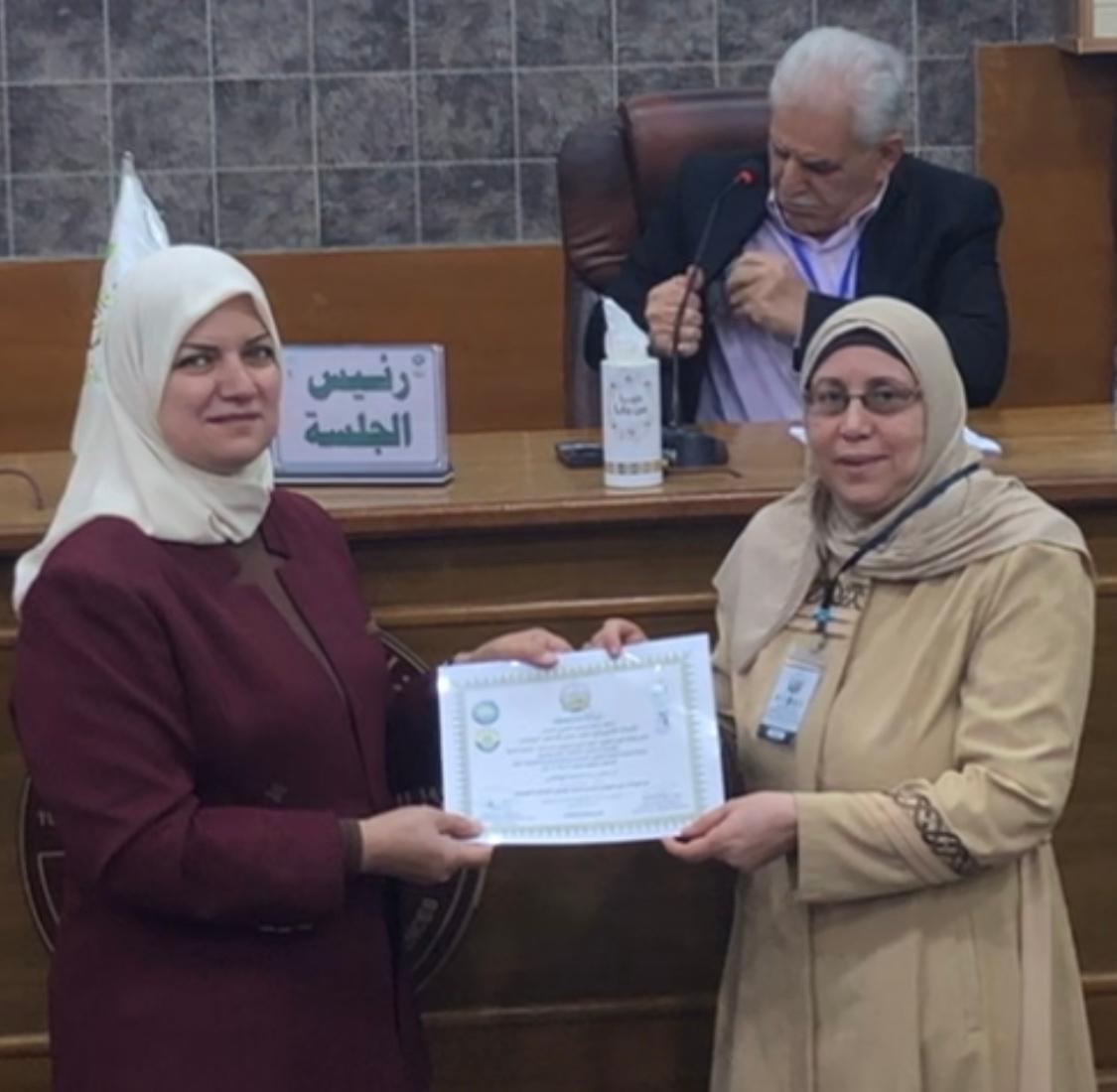
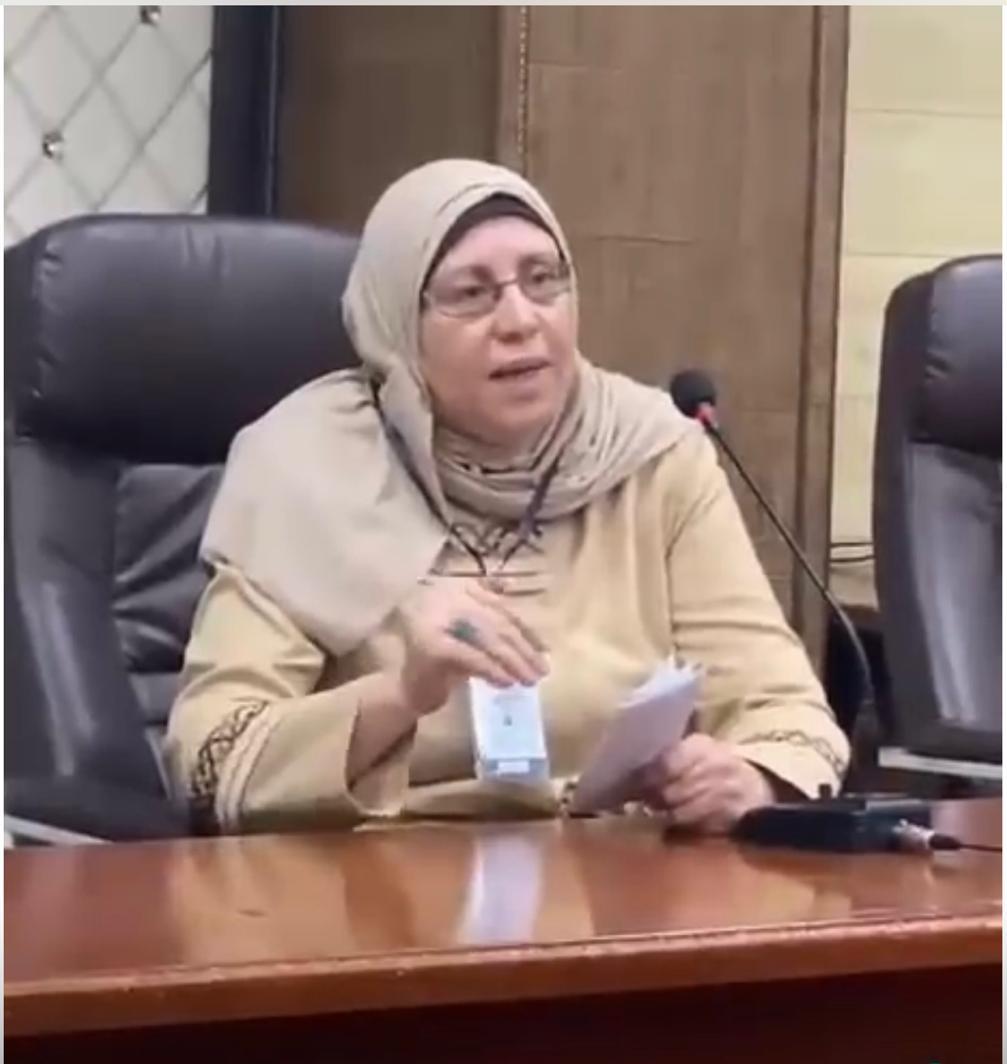
Professor Dr. Salma Abdul Hamid Al-Hashimi, a faculty member at the College of Arts, participated in the Fourth Scientific Conference organized by the Department of History at the College of Education for Human Sciences. The conference was held from April 7–8, 2026, at the University of Basrah – College of Education for Human Sciences, under the title “Historical Research in the age of Digital Development.”
Dr. Salma presented her research entitled “Abandoned Trustworthy Narrators and How to deal with Their Narrations in Historical Research.” The study sheds light on a group of narrators who were considered trustworthy yet whose narrations were set aside for various reasons. Some were criticized for their integrity, while others were noted for weakness in control, poor memory, or susceptibility to error, which led to the abandonment of their circles and the rejection of their reports.
The research was structured into four main themes. The first discussed the meaning of “abandoned narrators” linguistically and technically, along with the reasons behind the rejection of certain trustworthy narrators’ reports. The second theme focused on sectarian reasons for abandoning these narrators, particularly those from the Shi‘a, as adherence to Shi‘ism was at times regarded as a charge warranting criticism and questioning of a narrator’s reliability, supported by examples and evidence.
The third theme examined changes that may affect a narrator’s condition, such as mental confusion, senility, or memory decline due to aging, as well as loss of eyesight or written materials, all of which may lead to errors and the loss of accuracy, supported with relevant examples.
The fourth theme was devoted to explaining the methods of dealing with the narrations of such abandoned yet originally trustworthy narrators, whether due to sectarian reasons or changes in their condition. This involves subjecting narrations to critical and scientific analysis, not limiting evaluation to the chain of transmission alone but also examining the content. It also emphasized accepting narrations given before such changes occurred and rejecting those after, when the timing can be determined, in addition to employing internal textual criticism.
Important News
.jpeg)