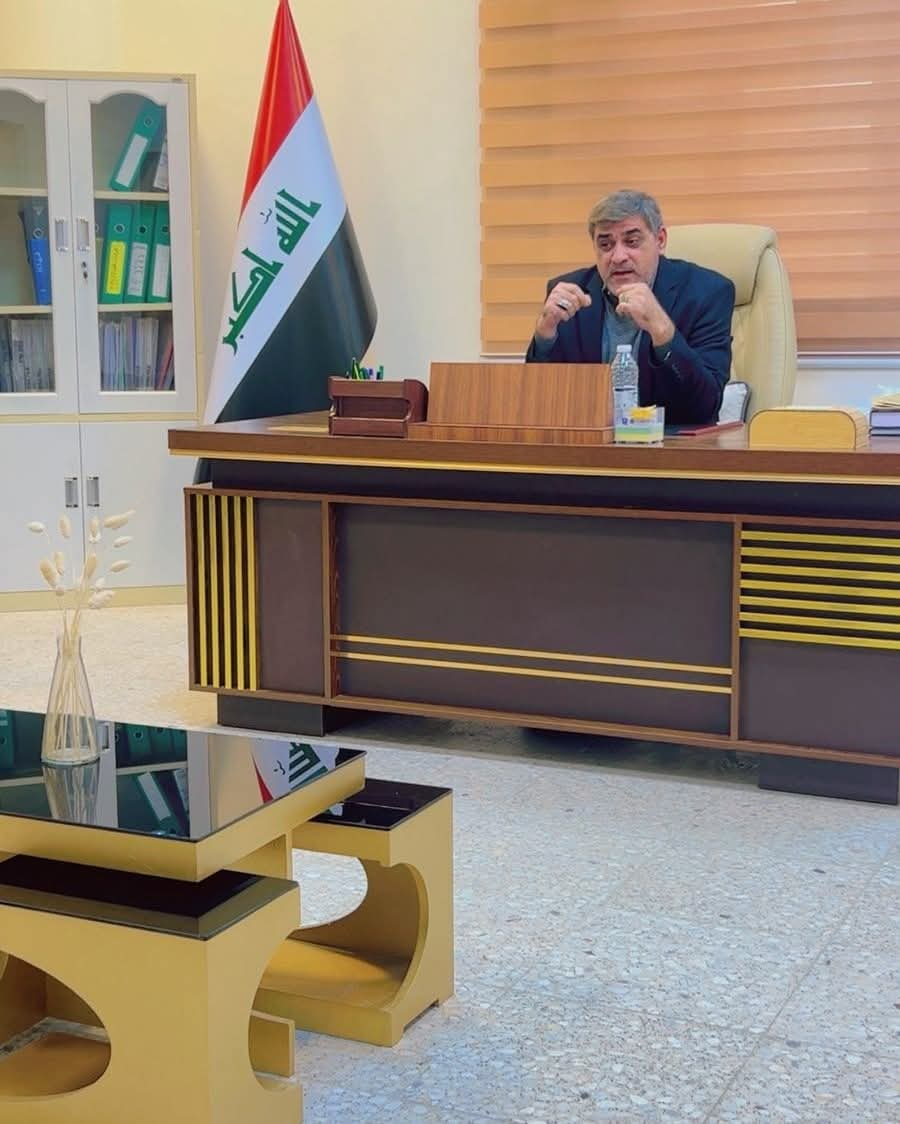
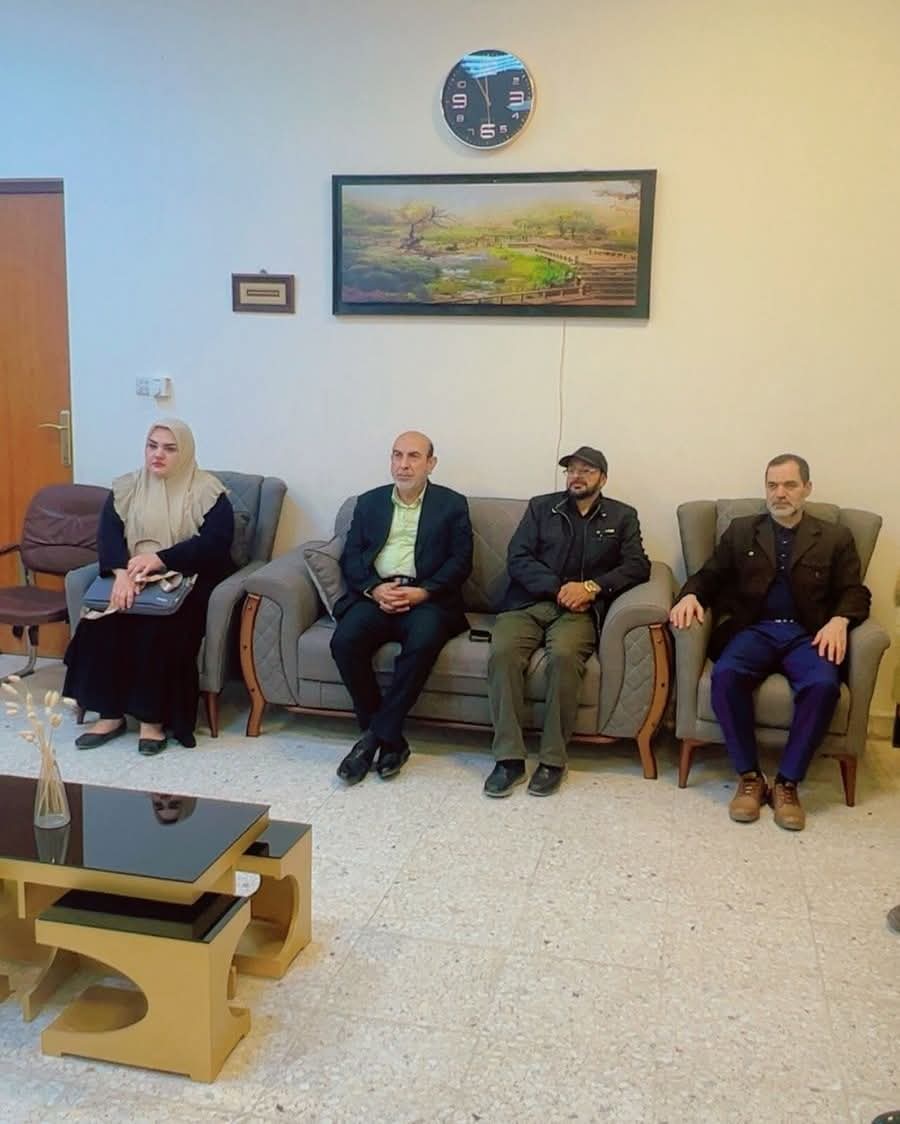
Under the patronage of the esteemed Dean of the College of Arts and the esteemed Assistant Dean for Scientific Affairs, and under the supervision of the esteemed Head of the Philosophy Department, the Philosophy Department at the College of Arts, University of Basra, organized a scientific seminar entitled "The Psychology of Crowds by Gustave Le Bon: Presentation and Analysis" on Tuesday, January 13, 2025, as part of the department's series of scientific activities for the academic year 2025-2026.
The seminar was presented by Professor Dr. Ali Hadi Taher, a faculty member in the department, who aimed to present the most prominent ideas and main themes contained in the book "The Psychology of Crowds," while highlighting the importance of crowds as an active and influential force in changing reality in its various political, economic, social, religious and cultural dimensions, especially through the link that Le Bon made between psychology and sociology and their impact on the political field.
The seminar explored the book's themes through an analytical presentation of several key areas, most notably the spirit of the masses, their opinions and beliefs, and the different types of crowds. The lecturer explained the role of the masses as an influential force in contemporary reality, highlighting their most prominent characteristics, such as their susceptibility to emotion, weak critical thinking, and lack of rational argumentation. He also discussed their role in creating symbols and heroes, and their susceptibility to leaders and orators through images, words, and slogans that appeal to their emotions. Furthermore, he addressed the influence of illusions on crowd behavior and the potentially costly experiences or irrational actions that can lead to them, yet contribute to shaping significant historical events.
He also discussed the qualities of influential leaders, focusing on the concept of prestige and its role in leadership. In the section on crowd beliefs, he reviewed Le Bon's division of them into fixed and variable beliefs. Regarding the types of crowds, he divided them into homogeneous and heterogeneous crowds, closed and open crowds, as well as electoral crowds and criminal court juries. He also highlighted the danger of criminal crowds and the actions they take to achieve their various goals, in addition to addressing parliamentary assemblies.
The seminar concluded by emphasizing that, according to Le Bon, the making of civilizations is done by the few, not the masses, and that the masses may sometimes be one of the reasons for the demise of civilizations.
The seminar addressed the philosophical and intellectual contexts related to the topic, opening the floor for discussion among the attending faculty members. This fostered an interactive and scholarly atmosphere, enriching the session and deepening its intellectual themes.
Important News